the author has always written close to the bone, and The Art of Slow Thinking sharpens that instinct into something approaching grace.
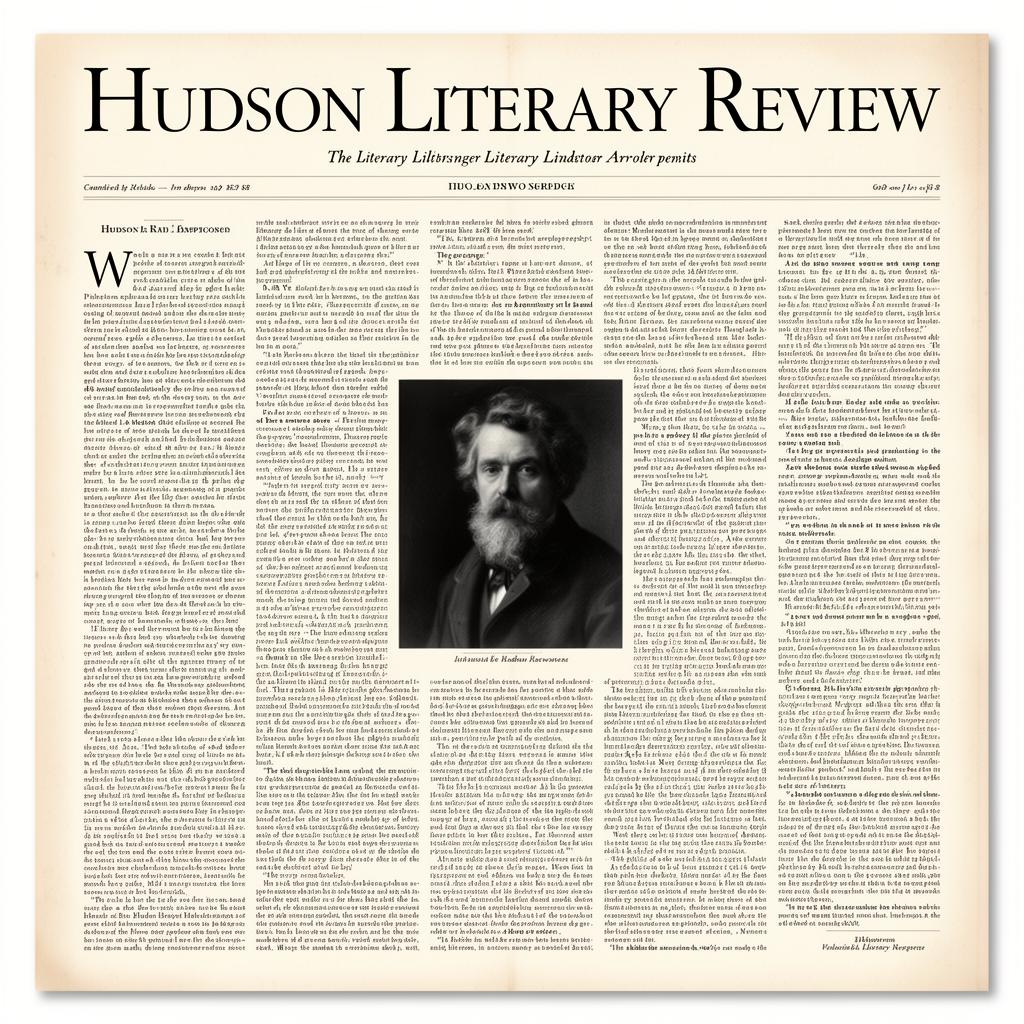
An issue from the Hudson archive — essays, verse, and review of the season's most necessary books.
The prose moves like weather. Sentences gather, break, gather again. What looks at first like restraint is, on closer reading, a kind of generosity — the writer trusting the reader to feel the storm without being shown the lightning.
The Weight of the Quotidian
The prose moves like weather. Sentences gather, break, gather again. What looks at first like restraint is, on closer reading, a kind of generosity — the writer trusting the reader to feel the storm without being shown the lightning.
“There is no false note here, only a writer working at the full reach of her instrument.”
Character, here, is not announced; it accumulates. We learn who these people are the way we learn it of our neighbours: through small refusals, half-finished meals, the books left face-down on a kitchen chair.
Character, here, is not announced; it accumulates. We learn who these people are the way we learn it of our neighbours: through small refusals, half-finished meals, the books left face-down on a kitchen chair.
Listening to the Margins
The prose moves like weather. Sentences gather, break, gather again. What looks at first like restraint is, on closer reading, a kind of generosity — the writer trusting the reader to feel the storm without being shown the lightning.
It would be wrong to call The Art of Slow Thinking flawless. It is something better than that: alive.