To open The Art of Slow Thinking is to step into a room that has been waiting for you — patient, lamplit, faintly humming with the day's last argument.
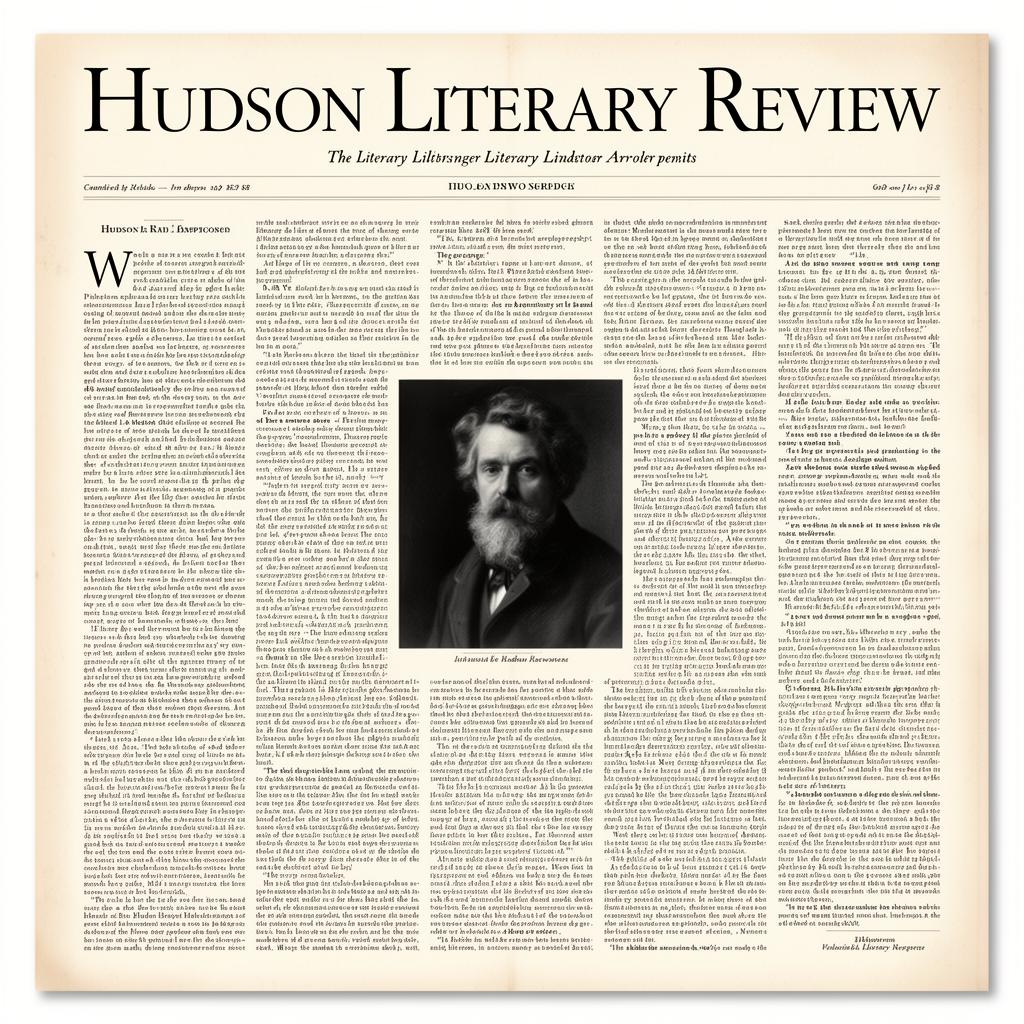
An issue from the Hudson archive — essays, verse, and review of the season's most necessary books.
Character, here, is not announced; it accumulates. We learn who these people are the way we learn it of our neighbours: through small refusals, half-finished meals, the books left face-down on a kitchen chair.
Listening to the Margins
Plot, in the conventional sense, is almost beside the point. What propels the pages is closer to attention — the writer's, then ours — turning over the ordinary until it gives up its odd, persistent light.
“What looks at first like restraint is, on closer reading, a kind of generosity.”
The prose moves like weather. Sentences gather, break, gather again. What looks at first like restraint is, on closer reading, a kind of generosity — the writer trusting the reader to feel the storm without being shown the lightning.
Plot, in the conventional sense, is almost beside the point. What propels the pages is closer to attention — the writer's, then ours — turning over the ordinary until it gives up its odd, persistent light.
The Weight of the Quotidian
There are passages in this book that ask to be read twice, not because they are difficult, but because the first reading is too occupied with surprise to register the music underneath.
What lingers, after the last page, is not a verdict but a temperature. The Art of Slow Thinking leaves the room a few degrees warmer, a few degrees more honest.