To open Translation as Resistance is to step into a room that has been waiting for you — patient, lamplit, faintly humming with the day's last argument.
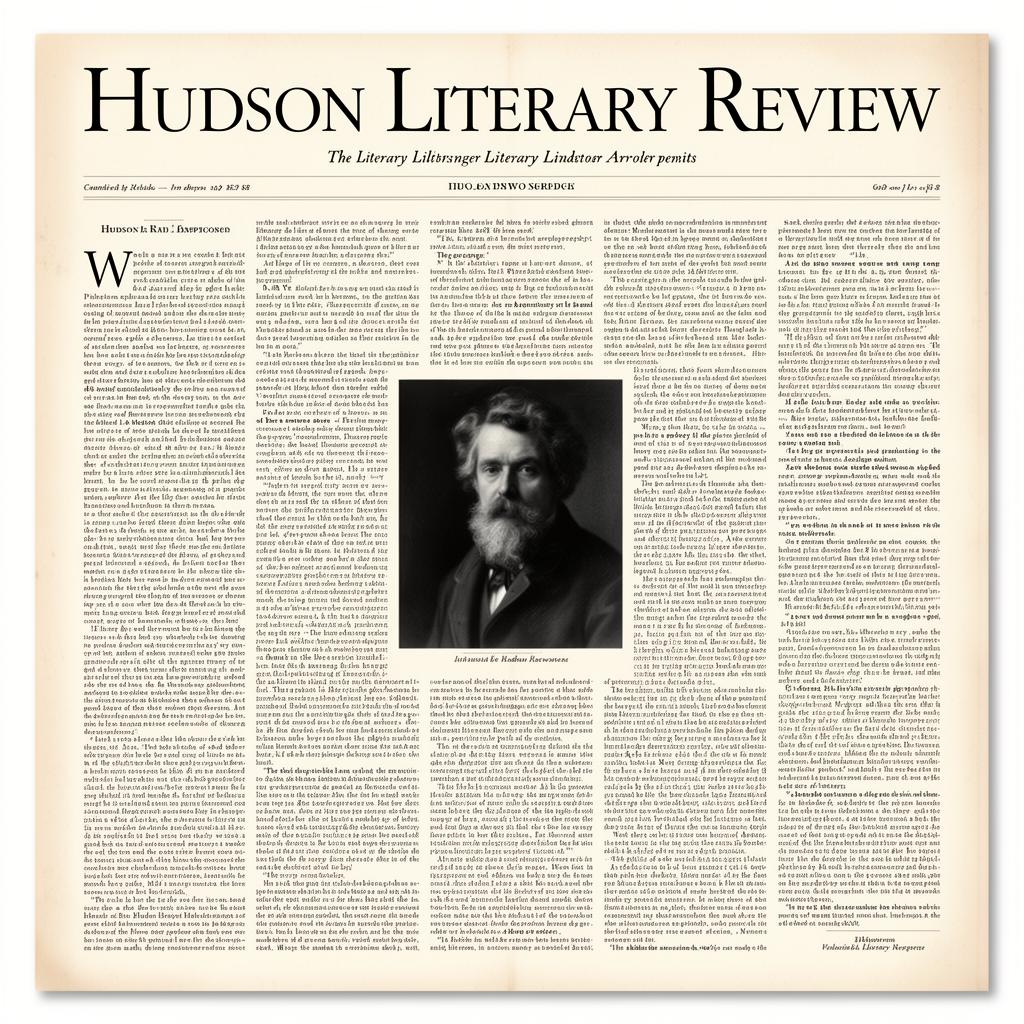
An issue from the Hudson archive — essays, verse, and review of the season's most necessary books.
There are passages in this book that ask to be read twice, not because they are difficult, but because the first reading is too occupied with surprise to register the music underneath.
A Question of Form
There are passages in this book that ask to be read twice, not because they are difficult, but because the first reading is too occupied with surprise to register the music underneath.
“It is the rare novel that grows larger as it grows quieter.”
The prose moves like weather. Sentences gather, break, gather again. What looks at first like restraint is, on closer reading, a kind of generosity — the writer trusting the reader to feel the storm without being shown the lightning.
The prose moves like weather. Sentences gather, break, gather again. What looks at first like restraint is, on closer reading, a kind of generosity — the writer trusting the reader to feel the storm without being shown the lightning.
What the Book Knows
The prose moves like weather. Sentences gather, break, gather again. What looks at first like restraint is, on closer reading, a kind of generosity — the writer trusting the reader to feel the storm without being shown the lightning.
Whatever you were reading before Translation as Resistance, set it down. Whatever you read after will be measured, fairly or not, against it.