There is a moment, early in Cathedrals of Ordinary Time, when the reader senses that something larger than story is at stake.
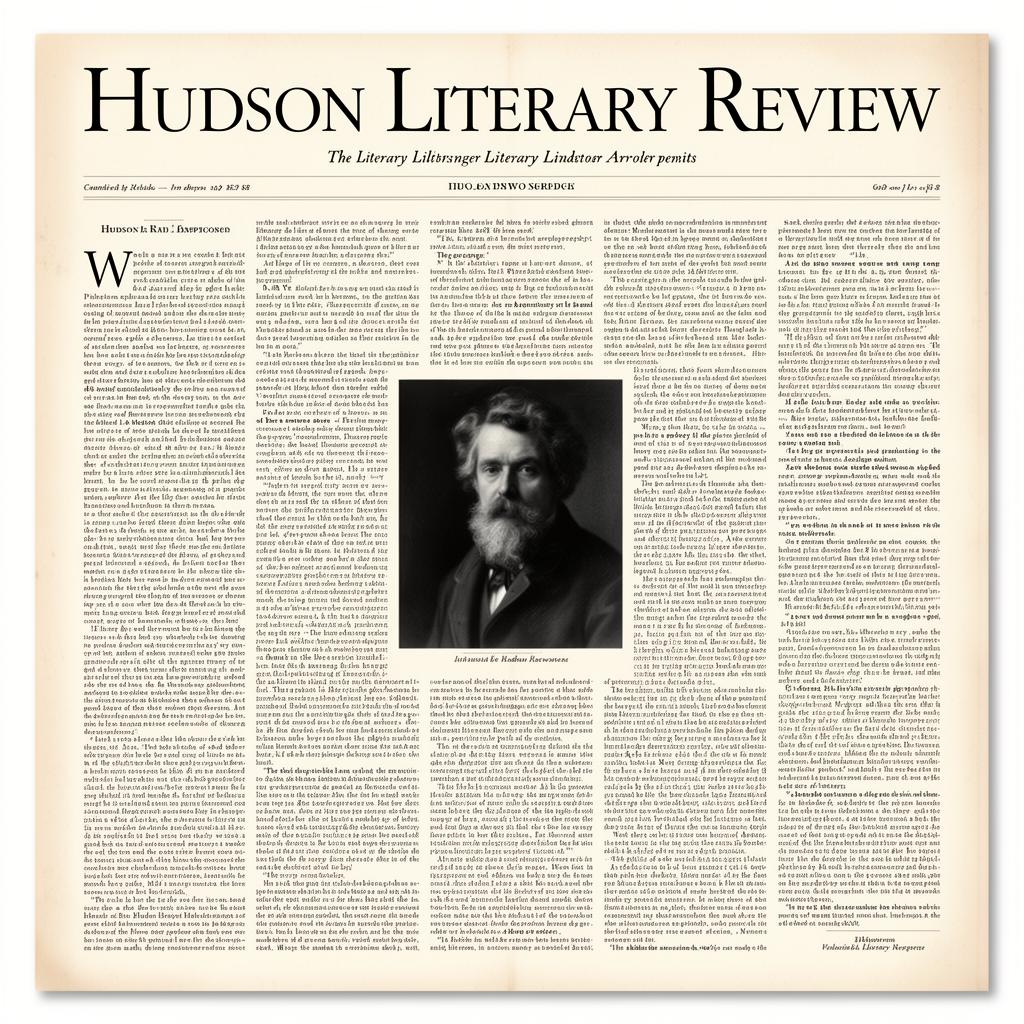
An issue from the Hudson archive — essays, verse, and review of the season's most necessary books.
Character, here, is not announced; it accumulates. We learn who these people are the way we learn it of our neighbours: through small refusals, half-finished meals, the books left face-down on a kitchen chair.
A Question of Form
The dialogue is doing several jobs at once. It tells us where we are. It tells us who is listening. And, more rarely, it tells us what the silence between two people actually costs.
“By the final pages, the reader has not so much finished the book as agreed to remember it.”
The dialogue is doing several jobs at once. It tells us where we are. It tells us who is listening. And, more rarely, it tells us what the silence between two people actually costs.
Character, here, is not announced; it accumulates. We learn who these people are the way we learn it of our neighbours: through small refusals, half-finished meals, the books left face-down on a kitchen chair.
Listening to the Margins
Character, here, is not announced; it accumulates. We learn who these people are the way we learn it of our neighbours: through small refusals, half-finished meals, the books left face-down on a kitchen chair.
Whatever you were reading before Cathedrals of Ordinary Time, set it down. Whatever you read after will be measured, fairly or not, against it.