There is a moment, early in The Reading Room Quarterly, when the reader senses that something larger than story is at stake.
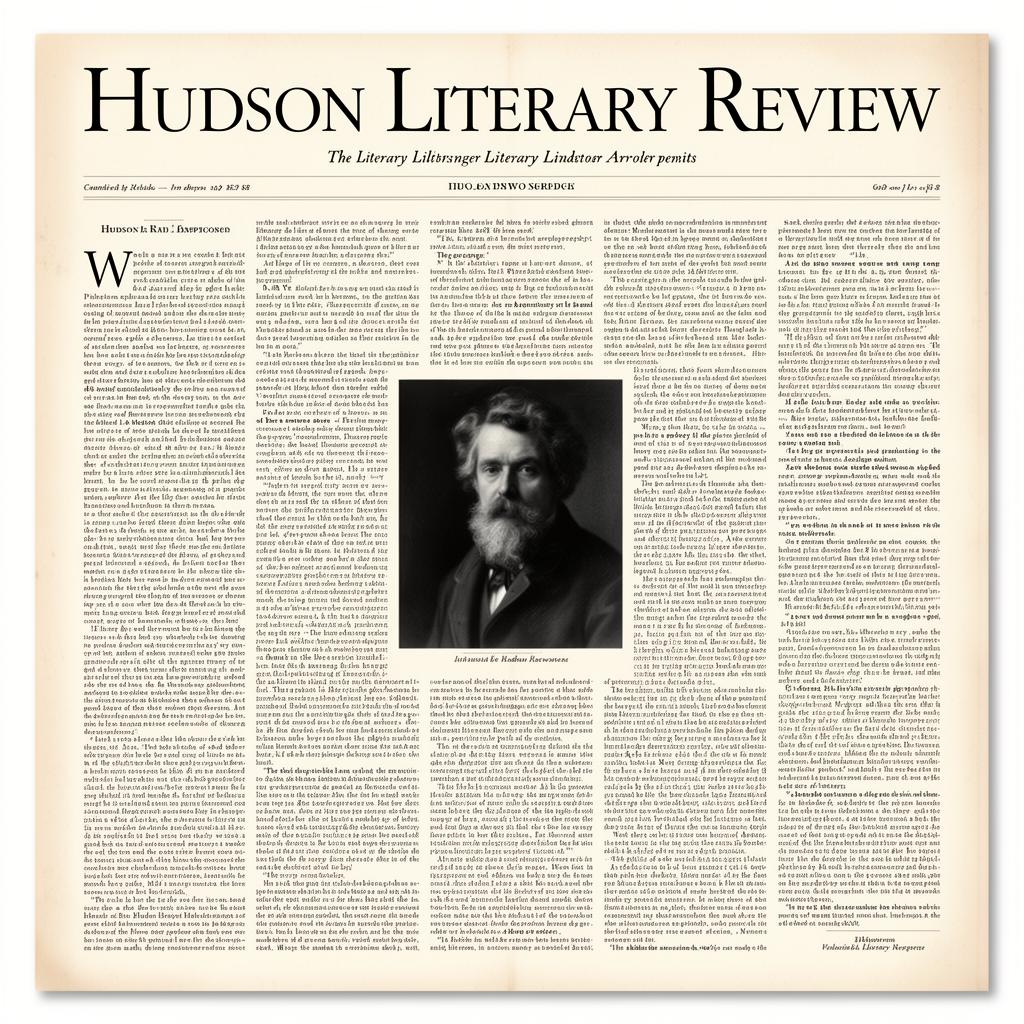
An issue from the Hudson archive — essays, verse, and review of the season's most necessary books.
Character, here, is not announced; it accumulates. We learn who these people are the way we learn it of our neighbours: through small refusals, half-finished meals, the books left face-down on a kitchen chair.
The Weight of the Quotidian
There are passages in this book that ask to be read twice, not because they are difficult, but because the first reading is too occupied with surprise to register the music underneath.
“It is the rare novel that grows larger as it grows quieter.”
The dialogue is doing several jobs at once. It tells us where we are. It tells us who is listening. And, more rarely, it tells us what the silence between two people actually costs.
Character, here, is not announced; it accumulates. We learn who these people are the way we learn it of our neighbours: through small refusals, half-finished meals, the books left face-down on a kitchen chair.
A Letter, Long Withheld
The prose moves like weather. Sentences gather, break, gather again. What looks at first like restraint is, on closer reading, a kind of generosity — the writer trusting the reader to feel the storm without being shown the lightning.
It would be wrong to call The Reading Room Quarterly flawless. It is something better than that: alive.